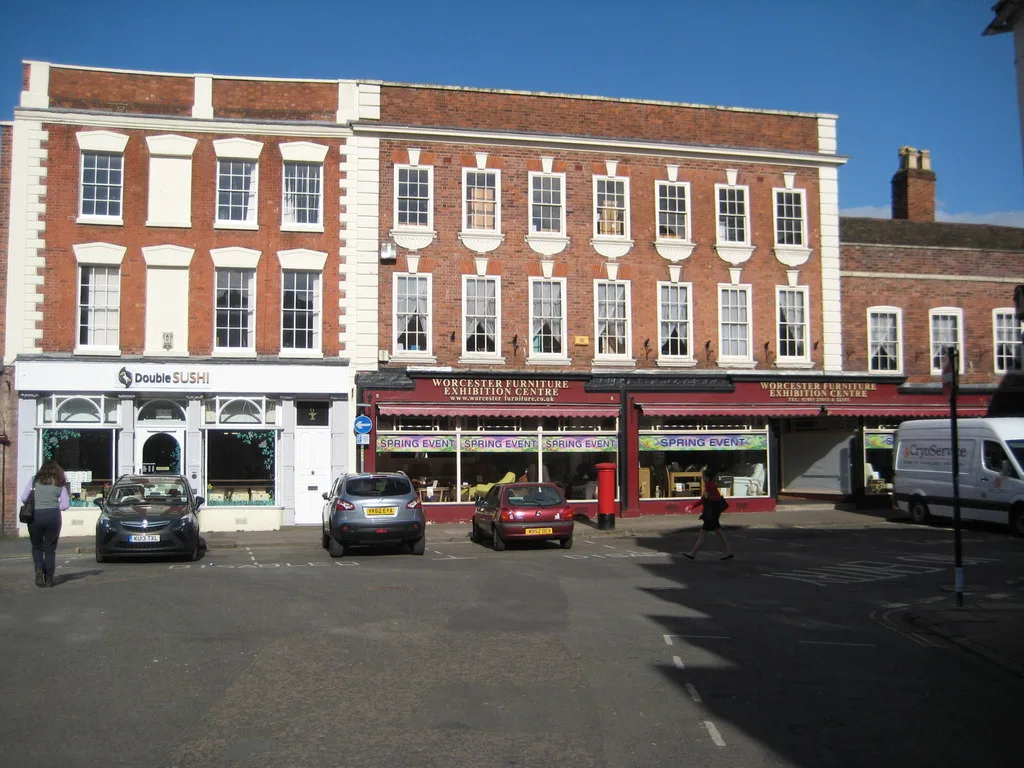
Worcester rewards a full day, not a rushed hour. The city's museum scene is built on two tiers: a large encyclopedic collection that can hold a visitor for half a day, and a set of smaller university and college galleries that most out-of-town visitors skip. The right plan is to anchor the day at the big institution, then spend the afternoon walking the smaller spaces, where shows change faster and admission is often lighter on the wallet.
This guide sets out how to structure that day, what each tier of venue does well, and where a first-time visitor should slow down. Hours, admission prices and exhibition dates change often in a city this size, so every practical detail below should be confirmed on each venue's own page before travel. Nothing here substitutes for the institutions' current listings.
Why plan a full day rather than a morning?
A single morning covers the headline collection but misses the reason Worcester is worth the trip. The encyclopedic museum needs time; its holdings span periods and media, and a visitor who rushes sees only the famous rooms. The smaller galleries, meanwhile, rotate their exhibitions on shorter cycles, so what is hanging in one month may be gone the next. A day trip lets a visitor see both tiers without treating either as an afterthought.
There is also a practical arithmetic. Travel time to Worcester is fixed whether a visitor stays three hours or eight. Spreading that fixed cost across a full day of viewing makes the trip more efficient, in the same way that grouping several New York museums into one neighborhood visit does. Readers planning a city trip on a budget may find the same logic in our guide to how a library card unlocks free admission to more than 100 New York museums, which covers admission strategies that often travel well to smaller cities.
What does the encyclopedic anchor offer a first visit?
The large museum at the center of the scene works the way encyclopedic institutions everywhere do: it gives a visitor the whole arc of art history in one building, from older European painting to works on paper and contemporary acquisitions. For a first-timer, the value is orientation. Seeing a Roman portrait head and a modern canvas within an hour of each other calibrates the eye before the smaller shows, where single-artist exhibitions ask more of the visitor.
Our analysis: walk the permanent collection once, quickly, to find the rooms that hold your attention, then return to two or three of them and stay. This is the two-pass method — once fast for impact, once slow for craft. Look at the backs of paintings where the installation allows a view of stretchers and labels; the construction of an object often says as much as its front. Wall text in encyclopedic museums runs to jargon, and it is worth learning to read past it: our piece on how to read museum wall labels sets out what a label can and cannot tell you.
Why bother with the university galleries?
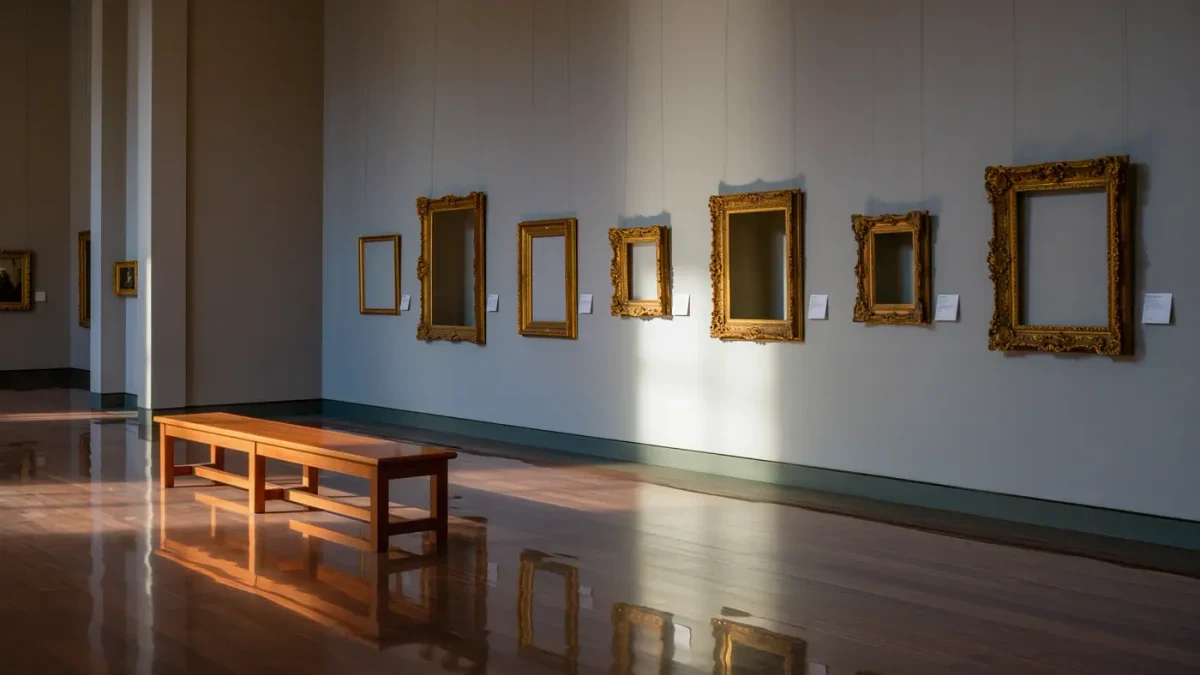
The college and university galleries scattered around the city are the tier most visitors skip, and they are often where the energy is. These spaces serve teaching programs first and the public second, which shapes what hangs there: student work alongside faculty shows, visiting-artist exhibitions, and thematic group shows tied to a course or a campus event. The rooms are smaller, the crowds are thin, and the staff at the desk can usually talk about the work in detail.
Two cautions apply. First, campus galleries keep irregular hours around the academic calendar; a gallery open on a Tuesday in October may be closed the following Tuesday during a break. Second, their exhibitions are often up for only a few weeks, so check what is currently installed before going. The rhythm of short runs versus long ones is worth understanding in advance — see our explainer on why some exhibitions run ten weeks and others run a year.
How should a first-timer sequence the day?
A workable sequence, in general terms:
- Start at the encyclopedic museum when it opens, before the rooms fill. Do the fast pass through the permanent collection.
- Break for lunch near the museum. Worcester's dining is concentrated within walking distance of the main cultural district, which keeps the day on foot.
- Return for one slow hour in the two or three rooms that earned a second look.
- Spend the afternoon at the university galleries, checking each campus's posted hours first.
- Finish with whatever public art or smaller commercial spaces fall along the walking route back.
This ordering puts the demanding viewing early, when attention is fresh, and leaves the lighter, faster-moving spaces for the afternoon slump. It also builds in slack: if one campus gallery is closed, the plan absorbs the loss without collapsing.
What should a visitor check before setting out?
Three things, every time. Hours and admission, on each venue's own site, since these shift with seasons and campus calendars. Current exhibitions, because the smaller galleries turn over quickly and a listing even a month old can be stale. And any special-events closures, since lectures, installations and private events can close rooms without much public notice.
Merriam-Webster defines "first" as "preceding all others in time, order, or importance," according to Merriam-Webster's dictionary entry — and for a first visit, importance is the useful sense. The first stop is the one that frames everything after it, so give it the best hours of the day and let the smaller spaces fill in around it.
What this means for the day-tripper
The evidence for Worcester's appeal is structural rather than statistical: a tiered scene, one deep collection and several shallow, fast-moving ones, is exactly the shape that rewards a full day. What remains unknown from general knowledge alone is the current state of any single venue's calendar, which is why this guide names no fixed hours or prices. Confirm the details, start early at the anchor institution, and treat the campus galleries as the reward for staying past mid-afternoon. Visitors who want to compare how larger institutions sequence their seasons can read our piece on why New York museums open blockbusters in the fall and run light in the summer, and browse the full range of our exhibitions coverage for other city and regional guides.